The Tomb of the Kings
🔹 1. Historical & Jewish Identity Value
Most scholars today associate the tomb with Queen Helena of Adiabene and her royal family.
Helena was a convert to Judaism who lived in Jerusalem during the Second Temple period
She is praised in the Mishnah (Yoma 3:10) for donating golden vessels to the Temple
Her family was buried in this monumental complex
A rare, grand burial site of a righteous convert and supporter of the Temple
A tangible connection to Second Temple Jerusalem society
🔹 2. Archaeological & National Significance
The tomb is one of the most impressive burial complexes from the Second Temple era:
Large rock-cut courtyards and chambers
Decorated sarcophagi (some now in the Louvre)
Advanced engineering and design
For Jews—especially in modern Israel—it represents:
Continuity of Jewish presence in Jerusalem
A physical witness to Jewish life before the destruction of the Temple
Presently there is a renewed awareness of Queen Helena’s righteousness and a broader trend of reconnecting with Second Temple heritage
Here we can view with our own eyes a bridging of time, from the Diaspora (Adiaben) to Jerusalem,—conversion to a full identification with Am Yisrael. Queen Helena shows us her tremendous dedication to Am Yisrael which continues onward.
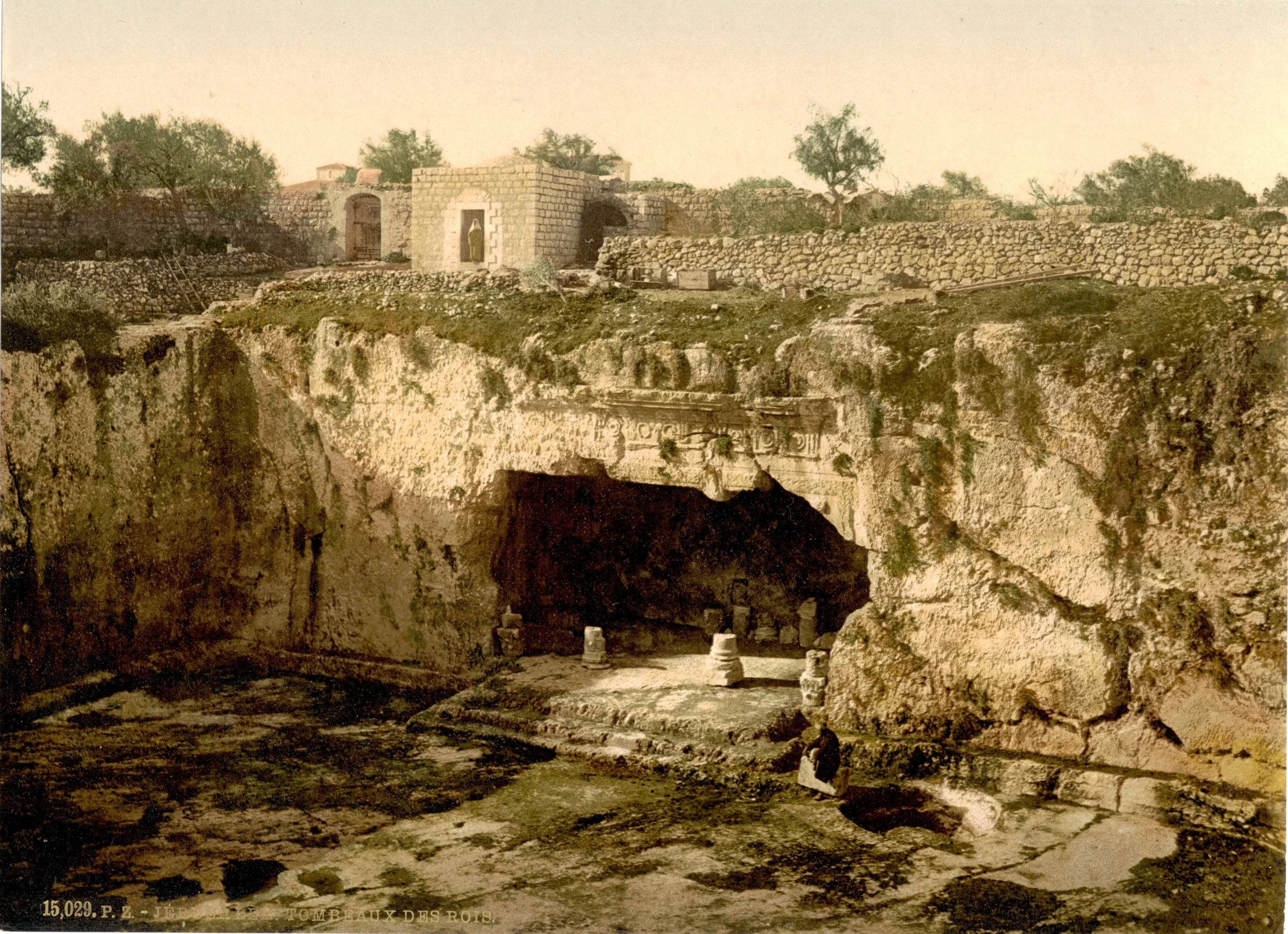
The Tomb of the Kings, Jerusalem
The site known as the Tomb of the Kings (קברי המלכים) carries historical, cultural, and emotional value for Jews, though its religious sanctity is debated and relatively limited compared to other holy sites.
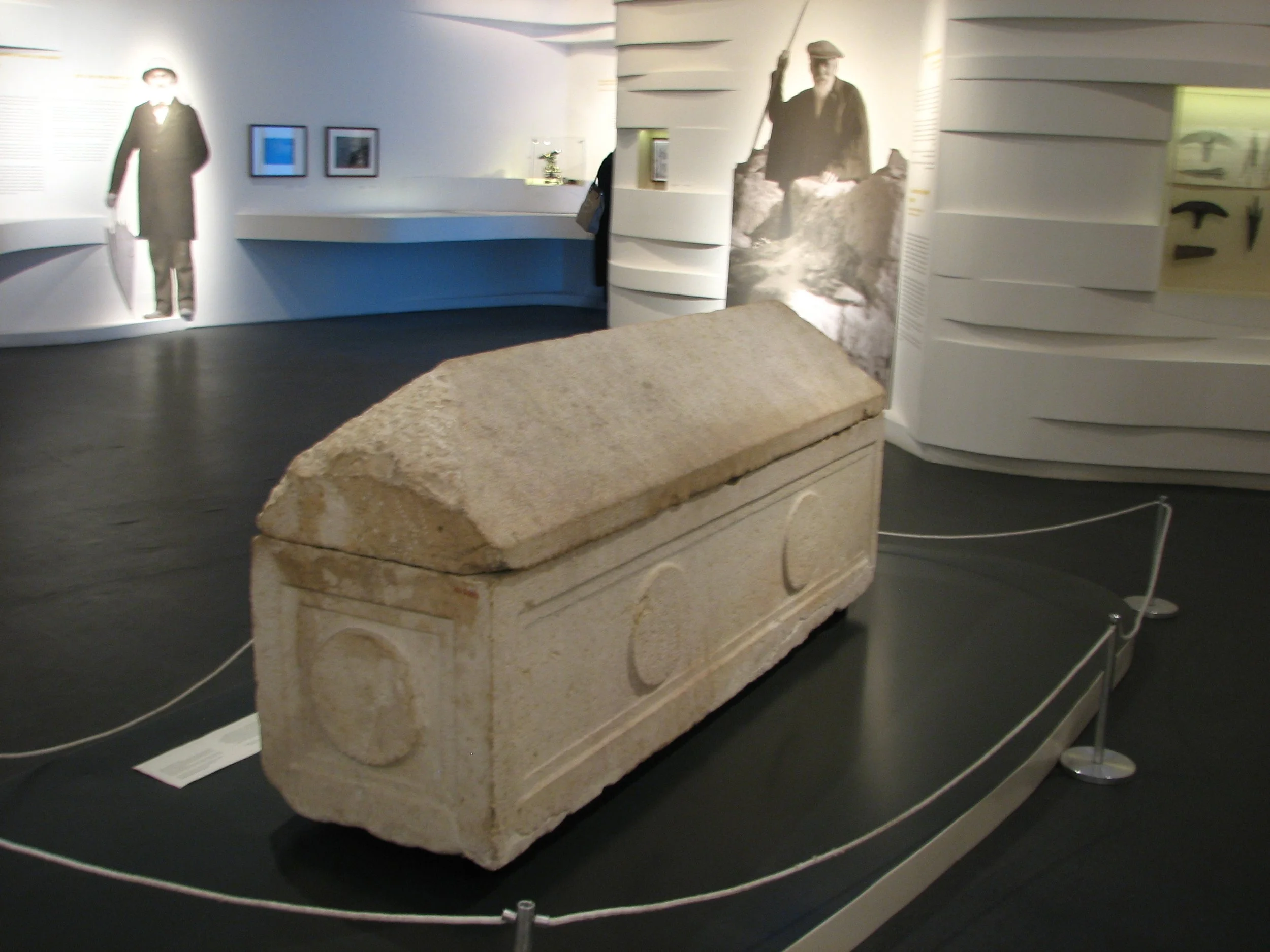
The Sarcophagus of Helena of Adiabene
Press Statement April 6, 2026
Return to Heritage Initiative: Fayga Marks Tour
Regarding Recent Events at the Tomb of the Kings, Jerusalem:
In recent weeks, there have been reports of unauthorized attempts to access the site known as the Tomb of the Kings in Jerusalem. While I wish to clarify that I do not have full visibility into all aspects of the situation, this statement is based on credible information shared through trusted contacts, as well as publicly observable developments.
The Tomb of the Kings, located near Mea Shearim and within close proximity to the resting place of Shimon HaTzadik, holds deep historical and traditional significance within Jewish heritage. Various traditions associate the site with prominent historical figures, including Queen Helena and Kalba Savua, the father-in-law of Rabbi Akiva. The structure itself contains distinct features and markings consistent with Jewish burial practices, and the site has long been a place of connection for the Jewish people.
Historically, the site came under the control of the French government in the 19th century, reportedly as a protective measure during a period of violence against the Jewish community in Jerusalem. According to longstanding accounts, this transfer included an understanding that the site would ultimately be preserved for, and potentially returned to, Jewish use.
Over the past decade, limited access to the site has been intermittently granted under strict conditions. However, in recent years, access has once again been restricted, and as of now, it remains largely closed to the public.
In the past three weeks, there have been attempts to enter the site without authorization, alongside reported efforts by members of the Shuvu Banim community to coordinate legal access through Israeli authorities. Unfortunately, in recent days, these tensions have escalated into confrontations with law enforcement.
As an activist dedicated to increasing awareness and access to Jewish heritage sites—particularly kevarei tzaddikim—it is deeply painful to witness these developments. While the desire to connect to our heritage is understandable and shared by many, the methods currently being employed are, in my professional and personal view, counterproductive.
Illegal entry, confrontation with law enforcement, and actions that risk public safety—especially during an active period of conflict—place individuals, police officers, and the broader community in danger. At a time when Israel is under ongoing security threats, diverting emergency and police resources to internal incidents is not only risky, but also irresponsible.
Additionally, such incidents risk creating a chilul Hashem and generating negative public perception, both within Israel and internationally. At a time when the Jewish people are already under intense scrutiny, it is critical that our actions reflect responsibility, unity, and respect for the law.
I have personally made efforts to communicate these concerns to relevant individuals and communities. While I recognize that these messages may not always be received, it remains important to voice them.
The mission of Return to Heritage is rooted in education, access, and respect—working through appropriate and lawful channels to reconnect people with their history. If and when access to the Tomb of the Kings is responsibly restored, it is my hope to facilitate meaningful and organized visits, as I strive to do with other significant sites.
However, the current approach—marked by confrontation and disregard for legal frameworks—does not advance this goal. On the contrary, it risks further restricting access and harming the very cause it seeks to promote.
This is a moment that calls for reflection, responsibility, and unity. We must do better—for ourselves, for our heritage, and for the future of our people.
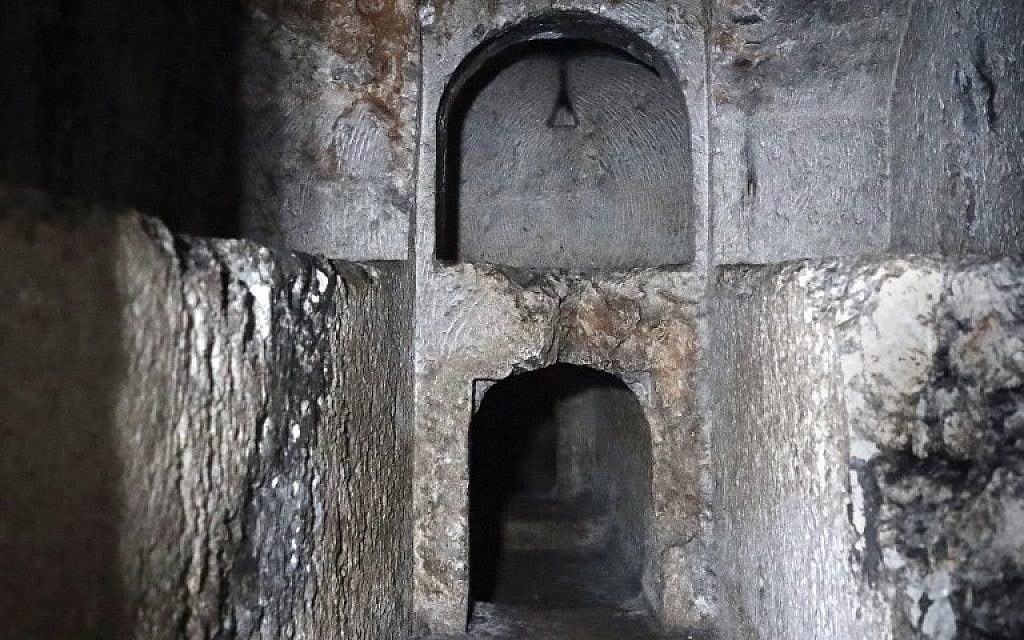
The Tomb of the Kings